Some of the greatest pioneers of Computer Science and what they left behind
There are people who dream of the future — and then there are those who actually build it.
In the vast world of Computer Science and technology, certain minds have stood out not because they chased fame, but because they quietly, obsessively, and passionately laid down the very foundations of the digital age. They didn’t just build tools — they reshaped how humanity works, learns, connects, and thinks.
Let me walk you through the stories of a few of these minds. You’ll find no buzzwords here, no hype — just a quiet celebration of brilliance.
Alan Turing – The Architect of Intelligence
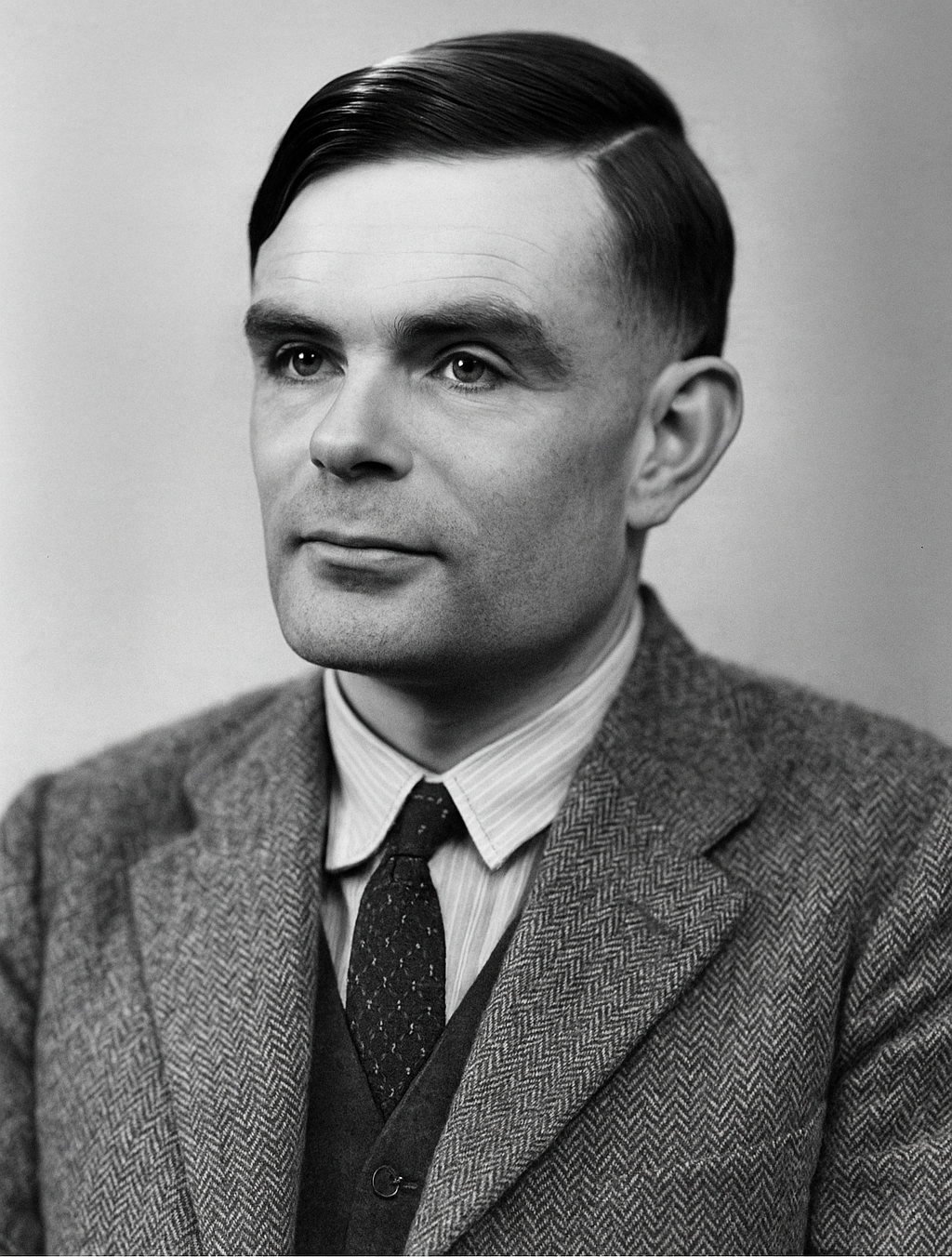
Turing wasn’t building machines — he was building ideas. In the 1930s, long before computers were practical, he envisioned something called the Universal Machine — a theoretical construct that could simulate any computation. That idea laid the foundation for all modern computers.
But his genius didn’t stop at theory. During World War II, he led the effort to crack Nazi Germany’s Enigma code, shortening the war and saving millions of lives. His code-breaking machine at Bletchley Park is often seen as the birth of modern computing hardware.
Turing’s legacy lives on not just in silicon, but in AI. The famous Turing Test is still a benchmark to test if a machine can mimic human thinking.
John von Neumann – The Blueprint Behind Every Computer
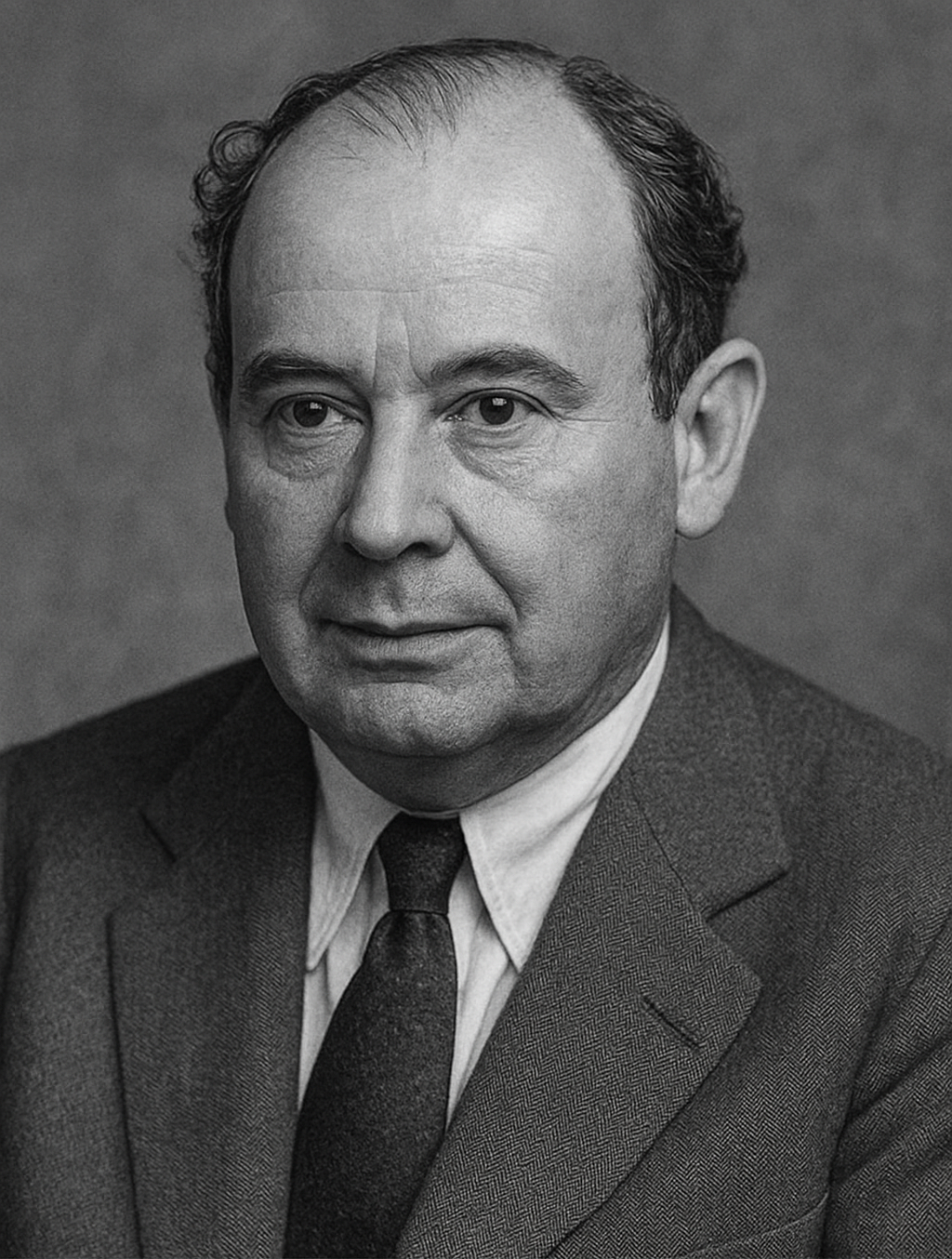
If Turing dreamed it, von Neumann designed it.
His von Neumann architecture is still how almost every computer works — a memory, a processing unit, and a control system that tells it what to do. Simple on paper, revolutionary in practice.
He also played a huge role in early programming, game theory, and even nuclear physics. His mind seemed limitless, and his ability to connect disciplines was breathtaking.
Every time you write code or open your laptop, you’re living in von Neumann’s vision.
Claude Shannon – The Man Who Made Information a Science
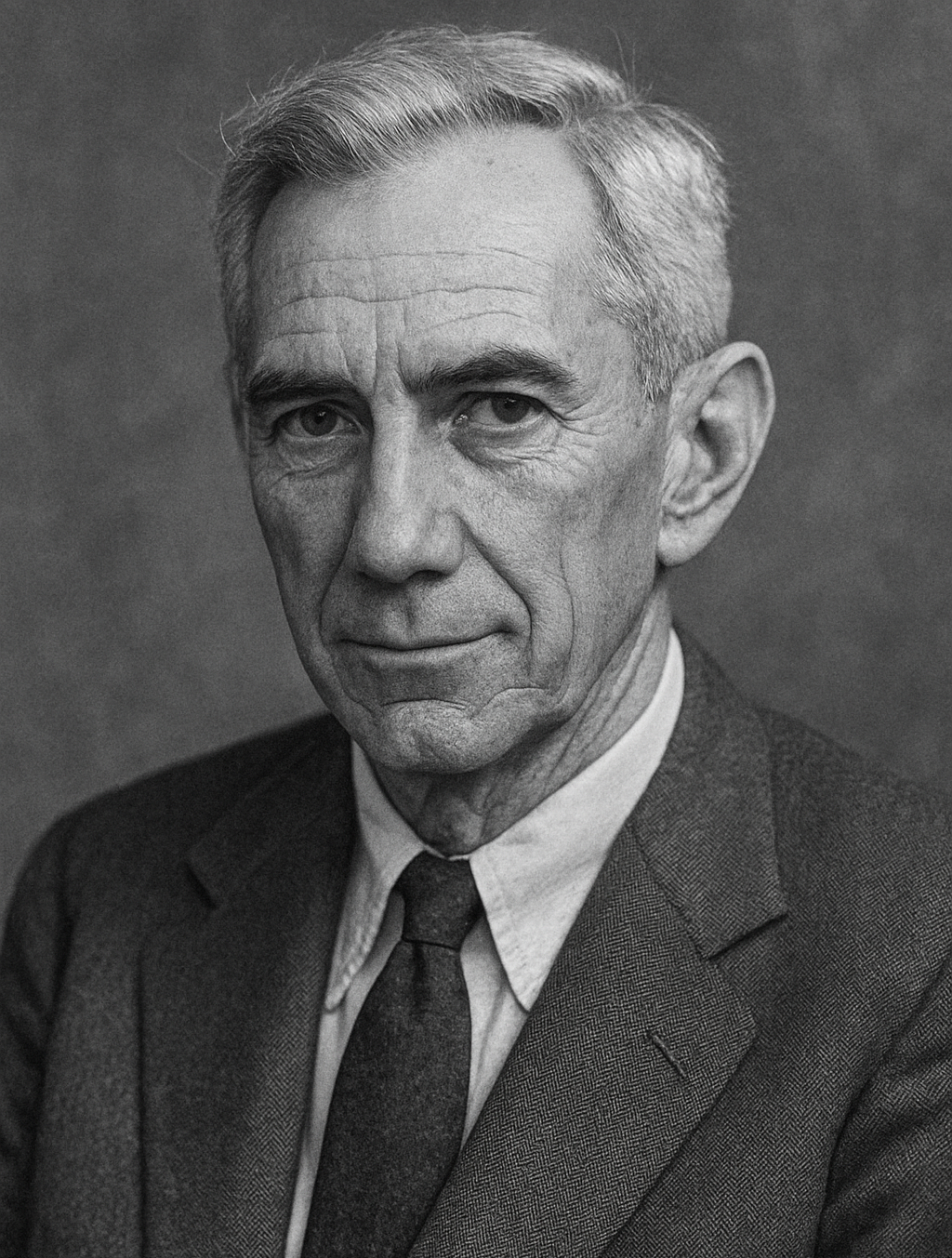
It’s one thing to build computers, it’s another to make them communicate.
Shannon took something abstract — information — and turned it into a measurable, mathematical entity. His 1948 paper A Mathematical Theory of Communication is considered the birth of Information Theory.
From the Internet to data compression, cryptography to mobile networks — his fingerprints are everywhere.
He also built mechanical mice and juggled Boolean logic for fun. Shannon didn’t just understand the digital world — he invented it.
Grace Hopper – The Mother of Modern Programming

When Grace Hopper joined the U.S. Navy, computers were massive machines operated by engineers using cryptic switches. She asked, “Why can’t we write programs in English?”
And then she made it happen.
She developed the first compiler and was instrumental in the creation of COBOL — a language that still runs a significant portion of the world’s financial systems.
Hopper’s legacy is about accessibility. She didn’t just want machines to compute — she wanted people to understand them.
Donald Knuth – The Philosopher of Algorithms
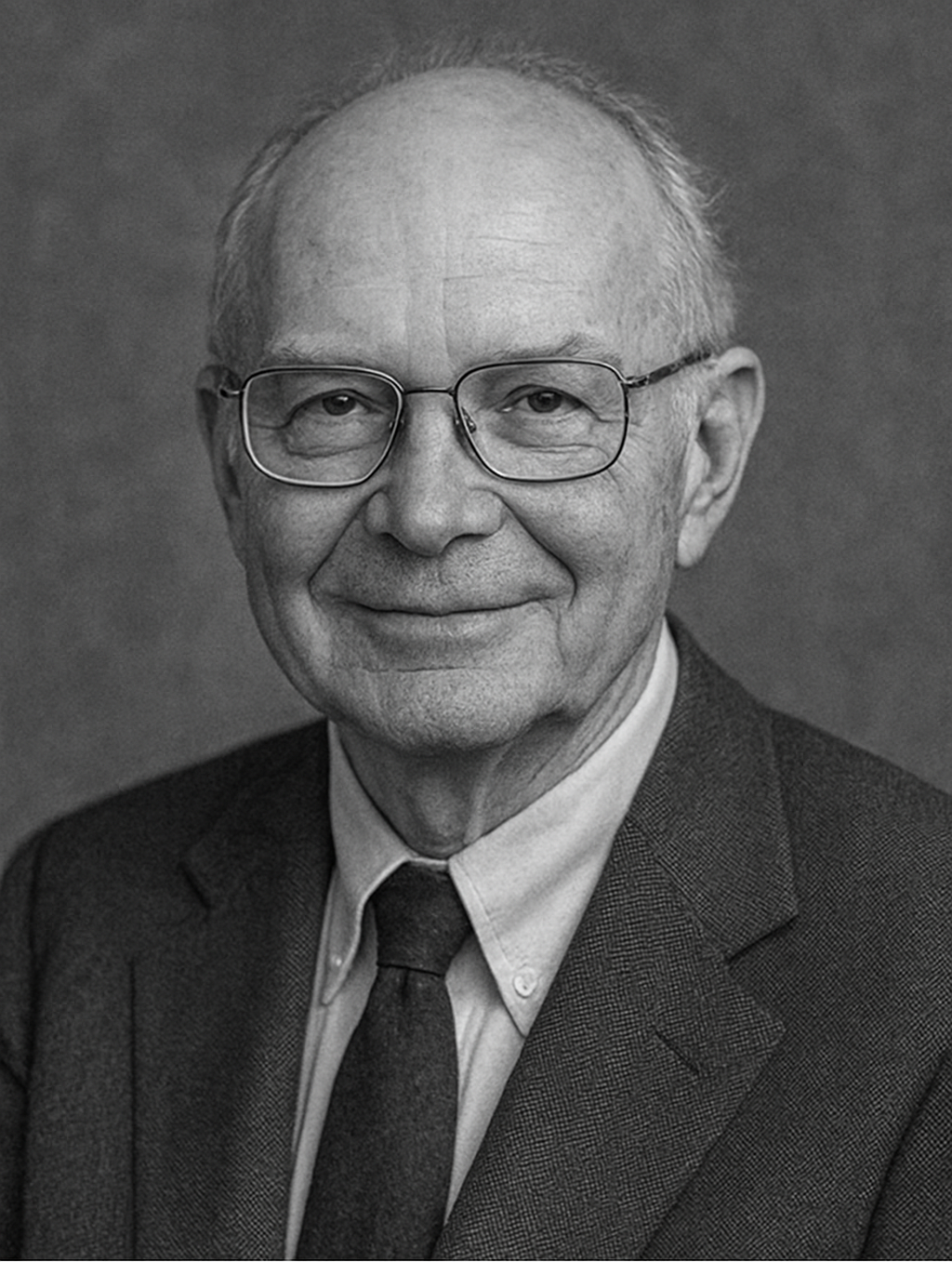
Knuth didn’t just write books — he wrote scripture.
His series The Art of Computer Programming is revered by software engineers and computer scientists worldwide. It’s not just about how to write code, but why algorithms matter, how they work, and what makes them beautiful.
Knuth also gave us TeX, a typesetting system still beloved by scientists and mathematicians.
His work reminds us that programming isn’t just engineering — it can be an art form.
Ken Thompson & Dennis Ritchie – The Unix Rebels Who Changed Everything
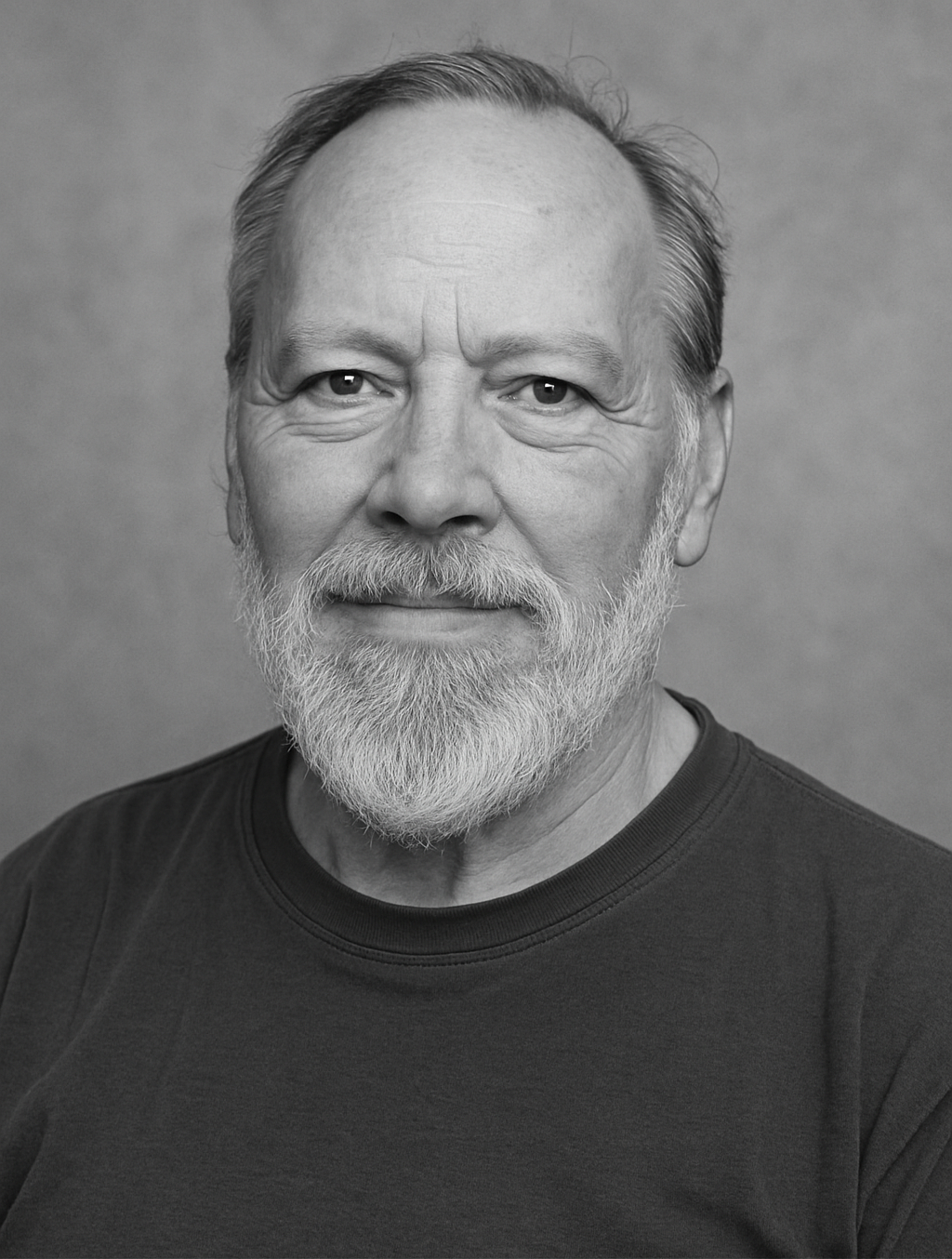

You can’t talk about modern computing without mentioning these two quiet giants from Bell Labs.
In the late 1960s, Ken Thompson created the B programming language, which was later improved and extended into C by Dennis Ritchie. This single language — C — became the foundation of almost every operating system, compiler, and embedded system we use today.
Together, they built Unix, an operating system that was elegant, modular, and philosophically pure. Its simplicity and power inspired generations of OS designs — including Linux, macOS, and even parts of Windows.
Years later, Thompson went on to co-create Go (Golang) at Google — a modern language designed for concurrency, speed, and scalability. Its clean syntax and built-in parallelism have made it a favorite for cloud-native applications.
They didn’t just code systems — they defined a culture: small tools, composable design, and pragmatic engineering.
Linus Torvalds – The Reluctant Leader of a Global Revolution

In 1991, a young Finnish student posted a message on an internet board: “I’m doing a free operating system, just a hobby, won’t be anything big…”
That “hobby” became Linux.
Linus didn’t invent open source, but he showed the world how powerful it could be when thousands collaborate. Today, Linux runs most of the internet, servers, supercomputers, and even phones (Android).
He also created Git, the version control system that millions of developers rely on daily.
Sometimes, revolutions begin in basements.
Tim Berners-Lee – The Man Who Wove the Web

We don’t just use the Internet — we live on it.
And that’s largely thanks to Tim Berners-Lee, who in the early ’90s proposed the idea of the World Wide Web while working at CERN. He created the first browser, server, and HTML — all open-sourced so that the world could connect.
He didn’t patent it. He didn’t gate it. He just gave it away.
It’s hard to imagine our world — socially, economically, culturally — without the Web.
Douglas Engelbart – The Forgotten Genius of Human-Computer Interaction
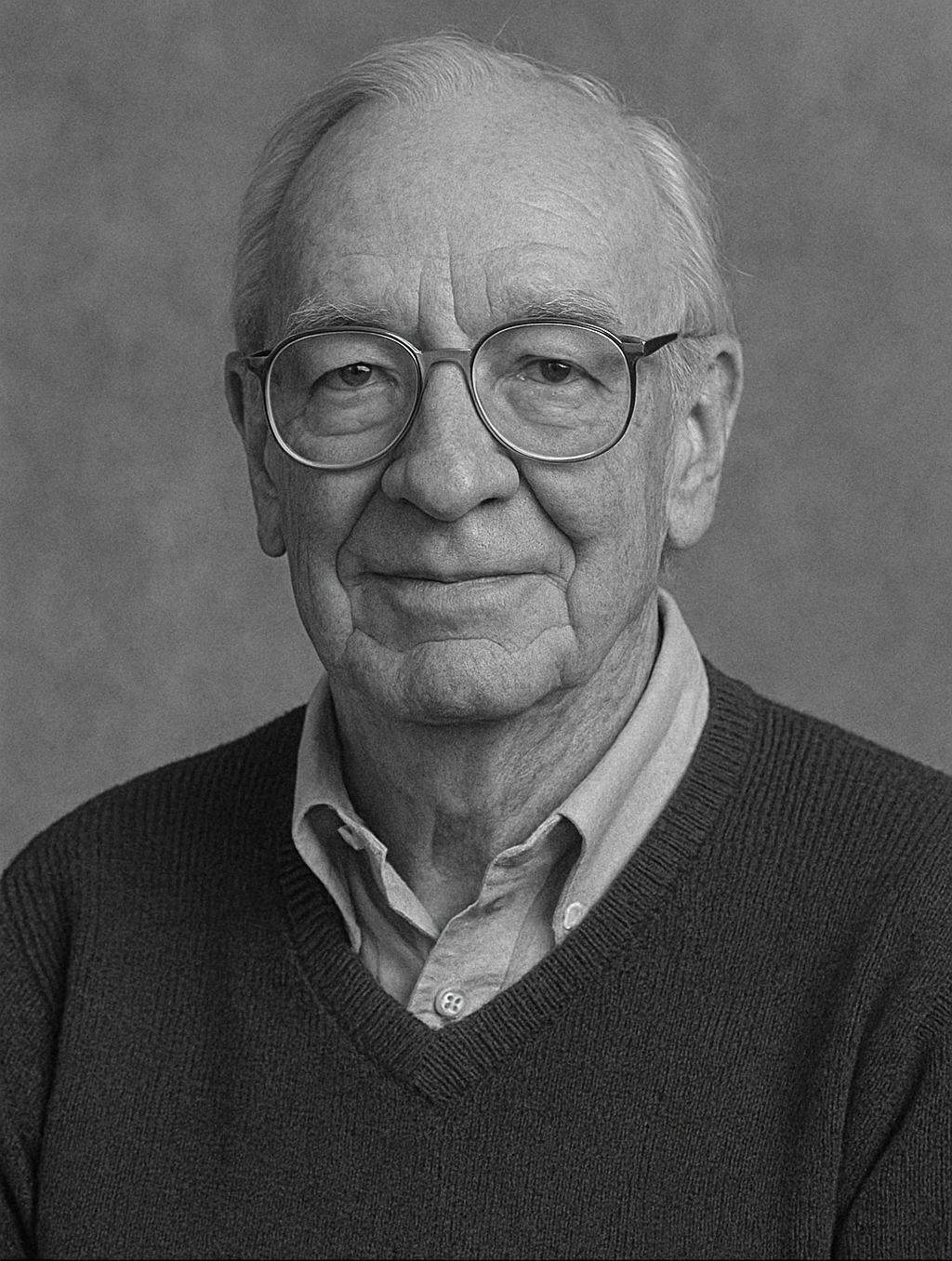
Engelbart didn’t want faster computers. He wanted better humans through technology.
In 1968, he gave what’s now known as “The Mother of All Demos” — showing a computer mouse, hyperlinks, video conferencing, collaborative editing… all decades ahead of their time.
His vision of augmenting human intellect still guides how we design software and interfaces.
We owe our very way of interacting with technology — from the mouse to the GUI — to him.
Hedy Lamarr – The Beauty Who Invented Wi-Fi

While the world admired her on the silver screen, few knew that Hedy Lamarr was also quietly shaping the future of wireless technology.
In the early 1940s, during World War II, Lamarr co-invented a frequency-hopping spread spectrum technique, designed to prevent enemy forces from jamming radio-controlled torpedoes. This innovation was decades ahead of its time, and although it wasn’t adopted by the military then, the concept became foundational for Wi-Fi, Bluetooth, and GPS as we know them today.
She didn’t have a computer science degree or access to labs like today’s inventors — just raw intellect, curiosity, and persistence.
Hedy’s story reminds us that genius isn’t limited to academic halls or tech campuses — sometimes, it hides in plain sight, behind bright lights and red carpets.
🌍 In Closing
These people didn’t just write code or design machines. They shifted the course of human progress. Each of them, in their own way, asked bold questions, refused to accept limitations, and gifted us tools that continue to shape every corner of modern life.
We build apps. We deploy to cloud. We write JavaScript and Python and Terraform. But all of it — all of it — rests on the shoulders of those who dared to dream when the idea of a computer was still a fantasy.
Let us remember them not just as technologists, but as visionaries who made machines… think.
Note: All the images (except Grace Hopper) are AI generated.
 Subhro.blog